
WORKSHOPS XV CIETO

Cristina Perdomo
“Application of social robots in elderly people with cognitive impairment”
Workshop summary
In this workshop, together we will create a fun space in which, through different playful activities, we will discover together how the game has evolved as a childhood occupation in our society. We will also analyze how this evolution has influenced our clinical practice as occupational therapists and we will invite you to reflect on some of the factors that, as occupational therapists, we must take into account in order for games to become such a powerful tool as to positively influence children’s participation.
Recommended especially for people of all ages who want to play and share experiences about the occupation of the game in childhood.
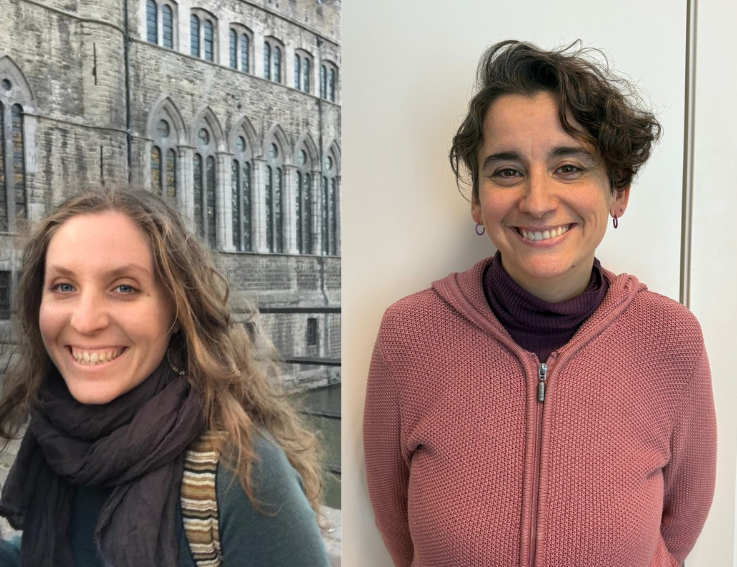
Ana Clara Szot y María Rodríguez Bailón
“EDEC-App: Learn to use the first app to evaluate conduction”
Workshop summary
This workshop will teach participants how to use the Conduction Performance Evaluation (EDEC), the first Spanish observational assessment of driving in real-world driving conditions. Participants will learn how to apply, score, and interpret the EDEC in a practical way, using real-life driving videos and examples. The workshop will also include the first trial of the EDEC-App, which participants can download for free and learn how to use through videos and practical case studies.

Lorena Chaves del Amo
“Splinting Workshop”
Workshop summary
In the workshop there will be a review of the biomechanics of the hand and the basic structures that must be taken into account in the manufacture of splints, the different materials that exist for the manufacture of splints will be discussed and two splints of different materials will be made.
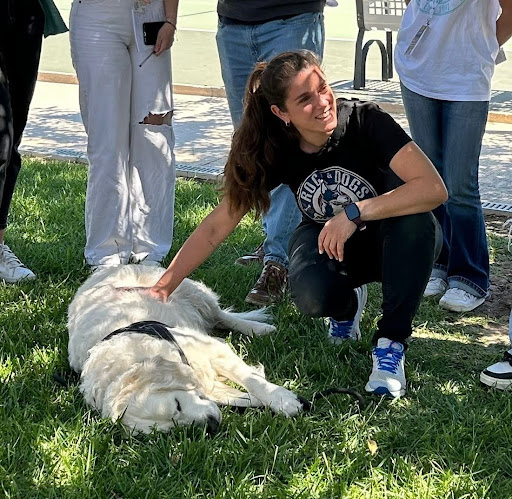
Irene Pérez
“The dog as a motivational element in Occupational Therapy sessions”
Workshop summary
Experiential workshop on the role of the dog in animal-assisted intervention sessions. How a dog is selected and trained to help the therapist to achieve his therapeutic goals.
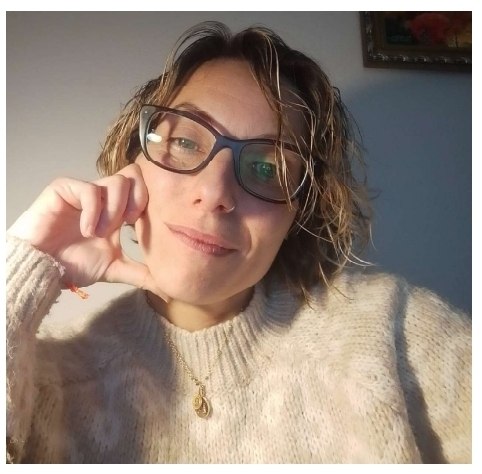
Nieves Pérez Vidal
“Sensory stimulation workshop”
Workshop summary
We will work on the correct development of a sensory profile and the adaptation of tools to the stressors, daily demands and functional objectives in terms of the patient’s ADLs, taking into account their self-care pyramid, their personal objectives and an integrative vision.
Ana Judit Fernández Solano
“Occupational Self-Analysis: Integrating Theory and Lived Experience”
Workshop summary
What if we empowered our clients to become the real protagonists of their own intervention? What if we taught them to reflect independently on the activities they perform and evaluate how well these activities align with what is meaningful to them?
In this workshop, we will engage in an introductory activity designed to help us gain a deeper understanding of ourselves as occupational beings. This experience will better equip us to support others in their personal process of self-discovery.
Because occupational self-analysis is not merely learned — it is experienced.
Jose Ángel Pastor Zaplana
“Basic Home Automation as Assistive Technology in Occupational Therapy: Practical Application in the Control Environment”
Workshop summary
Home automation (domotics) is an emerging tool within the field of assistive technologies aimed at promoting personal autonomy and adapting the home environment. This theoretical-practical workshop aims to introduce Occupational Therapy students and professionals to the use of basic and accessible domotic systems (voice assistants, smart plugs, connected lighting, and automated routines) as resources that facilitate occupational performance.
Throughout the session, conceptual foundations on environmental control, accessibility, and person-centered design will be presented, linking technology with the clinical reasoning specific to the discipline.
The workshop prioritizes immediate clinical applicability, promoting critical reflection on the prescription, adaptation, and training in the use of domotic systems within therapeutic intervention. Participants are expected to gain a structured understanding of the potential of these tools as part of interventions focused on environmental adaptation and support for functional autonomy.
MORE WORKSHOPS…